When you think of a luxury food gift basket, images of gleaming crystal, silky chocolate, and fragrant truffles often come to mind. But what if the recipient has a gluten intolerance, a dairy allergy, or follows a strict vegan diet? Handling dietary restrictions in a high‑end gift basket is like conducting an orchestra—every instrument must play in harmony, or the whole performance falls flat. In this guide we’ll explore how to navigate these challenges, ensuring your gift is as thoughtful as it is indulgent.
Understanding the Landscape of Dietary Restrictions
Common Restrictions and Their Nuances
Dietary restrictions come in many shapes and sizes. Some are simple, such as a gluten or dairy allergy, while others involve complex combinations—think nut-free, soy‑free, and low‑sugar all at once. Knowing the difference between a food allergy and a food intolerance is crucial: allergies trigger an immune https://shanezjke358.yousher.com/the-ultimate-cheese-and-wine-basket-for-executive-celebrations response and can be life‑threatening, whereas intolerances Champagne gifts usually cause discomfort but not emergency risk.
- Allergies: nuts, shellfish, eggs, milk, wheat, soy, sesame, fish, and peanuts Intolerances: lactose, gluten, fructose, artificial sweeteners Special diets: vegan, keto, paleo, low‑carb, low‑salt, halal, kosher
Why Luxury Gift Baskets Need Special Care
Luxury baskets are prized for their exclusivity and premium ingredients. Yet, when a recipient’s dietary needs are overlooked, the gift can feel insensitive. Imagine opening a basket only to find a chocolate truffle that contains milk. The disappointment is almost as bad as the allergic reaction. The goal is to make the basket feel tailor‑made, not generic.
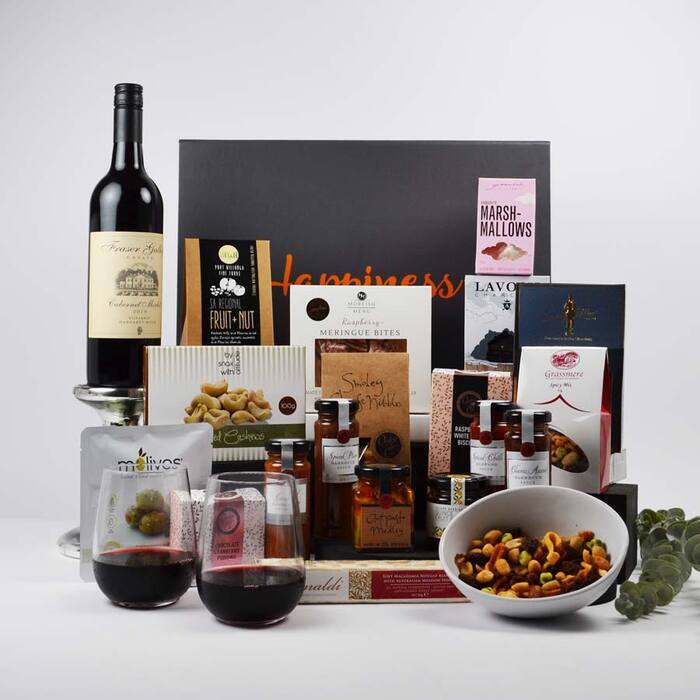
> “A gift that respects the recipient’s needs is the truest form of generosity.” – Anonymous
Planning Your Basket: From Concept to Execution
Selecting the Right Theme
Choose a theme that aligns with the recipient’s restrictions. For a vegan patron, a “Plant‑Powered Delight” basket featuring artisanal nuts, dried fruit, and dairy‑free chocolate works wonders. For someone with gluten intolerance, a “Gluten‑Free Gourmet” basket filled with certified gluten‑free breads and pastries will hit the spot.
Ask yourself: What delights the palate while staying within safe boundaries? The answer often lies in simple, high‑quality ingredients that stand out on their own.
Sourcing Quality Ingredients Within Limits
Finding suppliers who specialize in allergen‑free or diet‑specific products is key. Look for certifications—USDA Organic, Non‑GMO Project Verified, Gluten‑Free Certified, or Vegan Certified. When in doubt, reach out to the producer for ingredient lists and cross‑contamination policies.
- Gluten‑free: certified breads, pastas, crackers Dairy‑free: oat, almond, coconut milk‑based desserts Nut‑free: seeds, dried fruit, soy‑based spreads Low‑sugar: natural sweeteners, unsweetened chocolate
Remember, luxury is not just about price but about the story behind each item. A small artisanal bakery’s gluten‑free loaf can be as compelling as a big‑brand chocolate truffle.
Curating the Basket: Practical Tips and Tricks
Balancing Variety and Cohesion
A basket should feel like a curated menu, not a random pantry raid. Use a color palette and texture scheme to tie items together. For example, a “Golden Harvest” basket could feature amber‑colored dried figs, honey‑gold caramel, and amber‑hued wine.
- Texture: crunchy, chewy, creamy Flavor: sweet, savory, umami Color: warm, cool, monochrome
The key is to let each component complement the others while respecting dietary constraints. Think of it as a well‑planned meal: each dish enhances the overall experience.
Labeling and Presentation Matters
Clear labeling is a courtesy that goes a long way. Use small tags or cards next to each item, indicating allergens and certifications. For instance:
> Allergen Alert: Contains sesame seeds

> Certified: Vegan, Gluten‑Free
Presentation elevates the basket’s perceived value. Wrap each item in parchment paper or a small tin, then place the collection in a wooden crate or a sleek glass box. Add a handwritten note to personalize the experience.
Shipping and Storage: Keeping the Basket Fresh
Packaging Solutions
When shipping, choose insulated, temperature‑controlled packaging. A foam insert with a cold pack can keep dairy‑free cheeses and chocolates at optimal temperatures for up to 48 hours. For long‑haul deliveries, consider a refrigerated courier service.
- Insulated bags: maintain temperature Sealed containers: prevent contamination Labeling: include “Keep Refrigerated” stickers
Timing and Temperature
Timing is everything. Aim to deliver the basket within 48 hours of assembly. If the recipient is in a different time zone, adjust shipping methods accordingly. A delayed delivery can mean a chocolate melting into a soggy pastry—an unintentional disaster.
The Perfect Gift Awaits
With careful planning, thoughtful sourcing, and meticulous presentation, you can create a luxury food gift basket that honors dietary restrictions without sacrificing indulgence. It’s a delicate balance, but when done right, the basket becomes more than a collection of treats—it becomes a heartfelt gesture that says, “I know you, and I care.”
> “The best gifts are those that taste as good as they feel.” – Chef's Motto
Now imagine the recipient’s face when they unwrap a basket that not only tastes divine but also respects their health. That moment of genuine delight is worth every extra effort.
Ready to craft a basket that’s both luxurious and inclusive? Start by mapping out the recipient’s dietary needs, then let the ingredients speak for themselves. Your thoughtful attention to detail will make the gift unforgettable—and safe.