Choosing the right packaging for a wine basket is more than a design decision; it’s a careful dance between protection, presentation, and personality. Whether you’re a seasoned sommelier, a budding entrepreneur, or simply a wine‑loving friend looking to impress, the right wrapper can elevate a simple bottle into a memorable gift. In this guide we’ll walk through the key factors, popular options, and practical tips that will help you answer the age‑old question: How to choose the right packaging for a wine basket? Let’s uncork the secrets together.
Understanding the Purpose of Your Wine Basket
Who Will Receive It?
Knowing the recipient’s taste, style, and lifestyle shapes every packaging choice. A wine lover who enjoys rustic charm might appreciate a reclaimed‑wood crate, while a corporate client may prefer sleek, minimalist cardboard. Ask yourself:
- Are they a connoisseur who values artisanal details? Do they have a penchant for eco‑friendly products? Will the basket be displayed at home, in an office, or on a travel bag?
What Occasion?
Occasion dictates tone. A wedding favor Red wine calls for elegance; a corporate gift leans toward professionalism; a birthday surprise can be playful. Consider:

- Formal events: polished finishes, gold accents. Casual celebrations: bright colors, whimsical textures. Corporate gifts: branded packaging, neutral palettes.
A quick mental checklist keeps your decisions aligned with the event’s vibe.
Key Factors in Packaging Selection
Protecting the Bottles
Wine is fragile—shocks, vibrations, and temperature swings can ruin a vintage. Think of your packaging as a protective bubble, not a mere pretty wrapper. Key elements:
- Insulation: Foam inserts, cork, or recycled paper. Cushioning: Soft fabrics or custom‑cut foam blocks. Sealing: Waterproof seals or resealable zippers for travel.
Aesthetics and Brand Image
First impressions matter. Your packaging should echo the brand’s identity or the sender’s personality. Use color palettes, textures, and logos that resonate. Remember, a well‑styled basket invites the recipient to open it with anticipation, like a child opening a surprise present on Christmas morning.
Budget Constraints
Great packaging doesn’t have More helpful hints to break the bank. Evaluate:
- Material cost: Reclaimed wood can be pricey; cardboard is affordable. Labor cost: Hand‑wrapping takes time; pre‑made kits save hours. Reusability: A reusable crate adds long‑term value, even if it costs more upfront.
Balancing cost and quality ensures you don’t sacrifice one for the other.
Common Packaging Options
Wooden Crates
**Pros: Classic, sturdy, reusable, and eco‑friendly if sourced responsibly.
Cons:** Heavier, more expensive, and may require extra cushioning inside.> “A good wine is a gift that keeps on giving, and a wooden crate is its trusty carriage.” – Anonymous
Fabric Wraps
**Pros: Soft, lightweight, and visually appealing.
Cons: Less protection; may need additional padding. Cardboard Boxes with Foam Inserts Pros: Affordable, versatile, and easy to customize. Cons: Single‑use; not as premium-looking. Recycled Materials Pros: Sustainable, unique textures, and often cheaper. Cons: May lack the durability of fresh materials. Use bullet lists to compare quickly: Protection level: Crate > Box > Fabric Cost: Fabric < Box < Crate Eco‑impact: Recycled > Crate (if responsibly sourced) > Box Practical Tips for Assembly Layering Techniques Start with a base layer of soft material (cotton, felt) to cushion the bottom. Place the bottles upright, ensuring they sit snugly. Add a second layer of padding around each bottle before sealing the top. This “sandwich” method keeps the bottles stable during transit. Securing the Package Tie‑downs: Use twine or elastic cords for crates. Velcro strips: Ideal for boxes that need to be opened and closed repeatedly. Sewn closures: Adds a touch of elegance for high‑end presentations. Adding Personal Touches Custom labels: Print the recipient’s name or a heartfelt message. Gift cards: Slip a card inside the box with tasting notes or pairing suggestions. Small accessories:** Include a wine opener, corkscrew, or a handwritten note.A small anecdote: When I first assembled a wine basket for my sister’s graduation, I wrapped the bottles in a vintage scarf I’d found at a flea market. She laughed, saying it looked like a “fashionable wine trunk.” The extra effort paid off, and the basket became a conversation starter at her party.
Making Your Selection Count
Choosing the right packaging for a wine basket is akin to selecting the perfect pair of shoes for a dance: it must fit the occasion, support the wearer, and add a dash of flair. Start by clarifying the recipient’s preferences, then weigh protection, aesthetics, and budget. Test a few prototypes—feel the weight, check the seal, and imagine the unboxing moment.
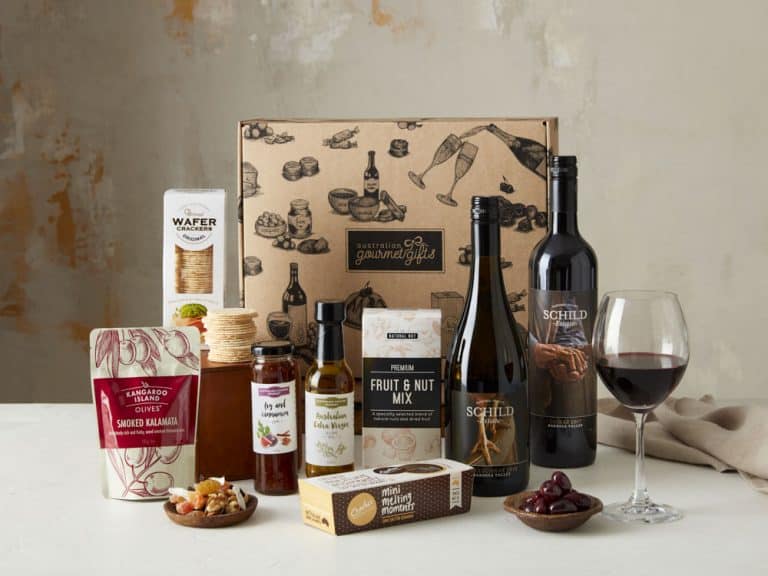
Remember, the packaging is the first page of the wine’s story. When you get it right, you not only protect the liquid gold inside but also deliver an experience that lingers long after the last sip. So, gather your materials, roll up your sleeves, and let the packaging process be as enjoyable as the wine itself. Cheers to thoughtful gifting!